




































Borehole pump buying guide: how to choose the right pump
How to choose a borehole pump in South Africa: borehole yield, total head, pump diameter, single versus three phase, solar pumps and protecting the pump from running dry.
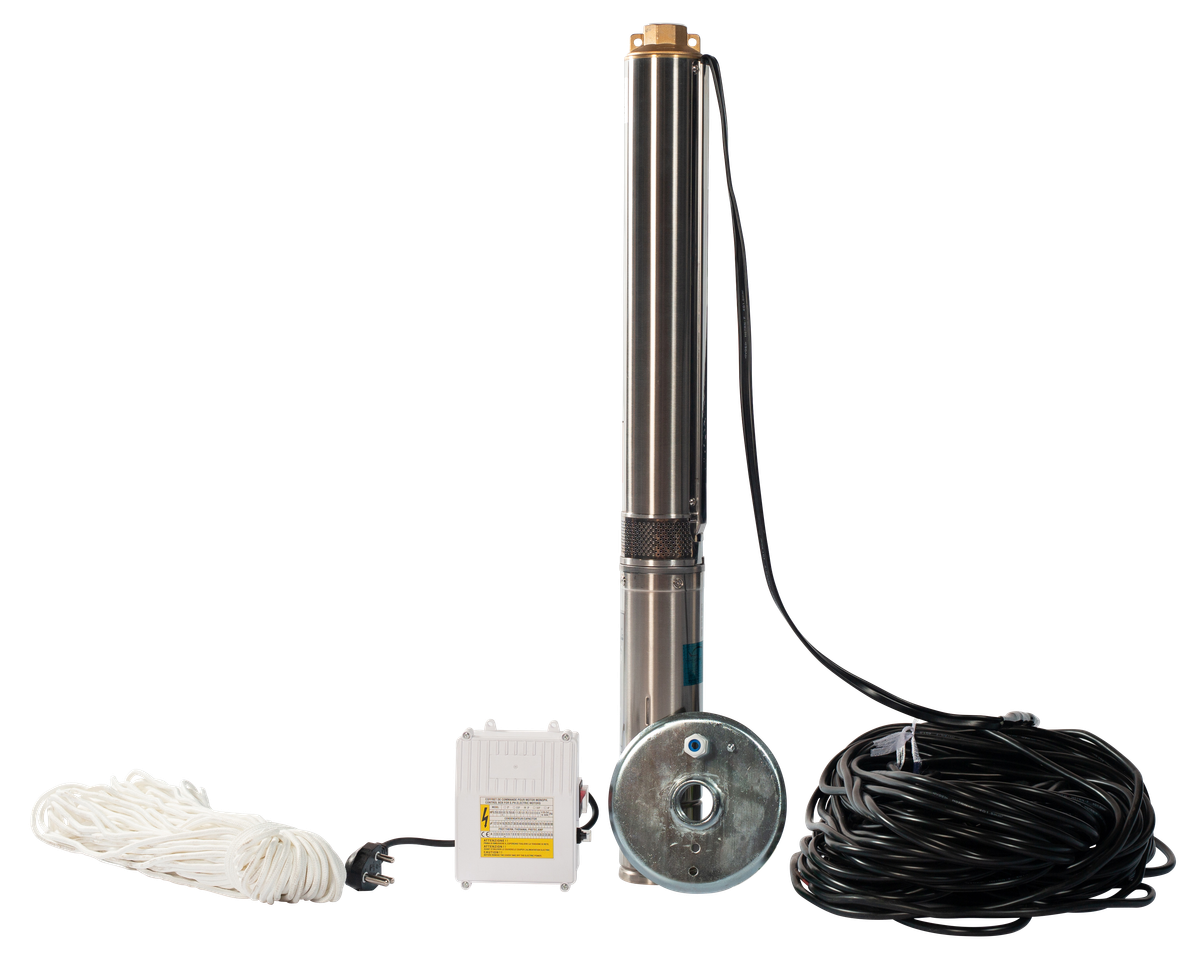
A borehole pump that is badly matched will either starve the house of water or pump the borehole dry and burn out. Getting it right takes a few numbers from your drilling report and a look at the pump curve.
The numbers you need
- Borehole diameter: the inside diameter of the casing. Most domestic boreholes take 3 inch or 4 inch pumps.
- Yield: how many litres per hour the borehole can deliver sustainably, from the test-pumping report.
- Water levels: the static water level and the level while pumping.
- Pump depth: where the pump will hang, usually some metres below the pumping water level and above the bottom of the hole.
- Delivery: the height from the borehole top to the tank or house, and the length of pipe.
Work out the total head
Total head is the vertical distance from the pumping water level to the highest delivery point, plus friction loss in the pipe, plus any pressure you need at the outlet (10 m of head for every 1 bar). Long runs in narrow pipe add a lot of friction, so a wider pipe can let you use a smaller pump.
Match flow to the yield
Choose a pump that delivers what you need at your total head, but never more than the borehole can supply. A pump that out-pumps the borehole will run dry. If the yield is low, pump slowly into a storage tank and let the tank do the work.
Single phase or three phase?
Most homes and smallholdings use single phase pumps up to about 2.2 kW. Larger irrigation pumps usually run on three phase. Check the cable size for the depth and current, since long cable runs cause voltage drop.
Protect the pump
Fit a dry-run protector or pump controller that switches the pump off when the water drops, and a float switch in the tank so the pump stops when it is full. A pressure tank or controller at the house reduces how often the pump starts, which extends its life.
No grid at the borehole?
Solar borehole pumps run straight from solar panels and fill a tank during the day, with no batteries. Size the tank to cover two or three cloudy days.
Browse borehole pumps, borehole motors and controls and spares, or send us your drilling report and we will help you choose.
Not sure what fits your farm, home or site? Send us your question and we will help you choose.