



































Inverter and battery backup: how to size a home system
How to choose an inverter and lithium battery for load-shedding in South Africa: kW versus kWh, hybrid inverters, battery runtime, solar panels and installation rules.
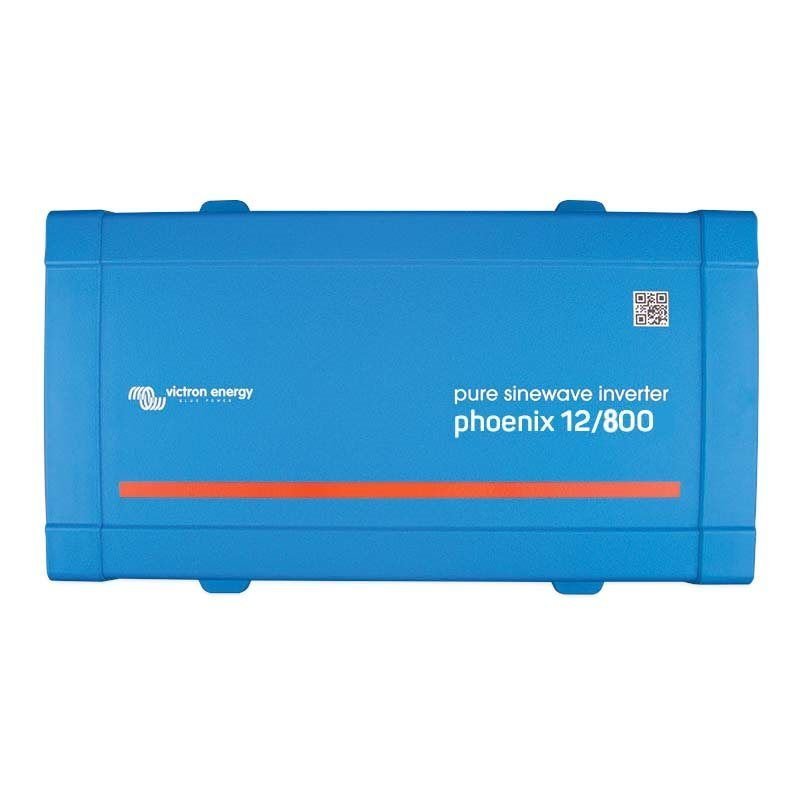
An inverter and battery switch over in milliseconds when the power goes, make no noise and cost nothing to run. Sizing one comes down to two separate numbers that people often mix up: the inverter size in kW and the battery size in kWh.
Inverter size (kW): how much can run at once
The inverter sets the most power you can draw at the same moment. Add up the running watts of everything on your backup circuits. Lights, fridges, TV, Wi-Fi, laptops and a gate motor usually come to well under 2 kW, so a 3 to 5 kW inverter covers most homes’ essentials. Kettles, geysers, stoves and heaters draw 2 to 3 kW each and are usually left off backup circuits.
Battery size (kWh): how long it lasts
The battery sets how long you can run. Divide the usable battery capacity in kWh by your average load in kW. A 5 kWh lithium battery running an average load of 800 W gives roughly five to six hours, allowing for the small reserve most inverters keep. For two load-shedding slots a day, a 5 kWh battery covers most essentials; for longer outages or bigger loads, look at 10 kWh or more.
Hybrid, off-grid or grid-tied?
- Hybrid inverters are the usual choice in South Africa. They run from the grid, the battery and solar panels, and can add panels later.
- Off-grid inverters work with no grid connection, for farms, cabins and remote pump stations.
- Grid-tied inverters without batteries cut your daytime electricity bill but switch off during load-shedding.
Choosing the battery
Lithium iron phosphate (LiFePO4) has replaced lead-acid for home backup. It lasts thousands of cycles, can be discharged deeply and needs no maintenance. Pick a battery that is on your inverter’s compatibility list, so the two can communicate and charge correctly. Most home systems run at 48 V.
Adding solar panels
Solar panels recharge the battery and run your daytime load for free. As a rough guide, every kilowatt of panels produces about 4 to 5 kWh a day in most of South Africa. A 5 kW hybrid inverter commonly takes 3 to 6 kW of panels. Check the inverter’s maximum PV input voltage and current against your panel string.
Installation and compliance
A fixed inverter installation must be done by a registered electrician, who issues a certificate of compliance (COC). Many municipalities also want you to register a solar system that is connected to the grid. Keep the COC: insurers and buyers of your house will ask for it.
Packages save the guesswork
Our solar packages and backup packages combine a matched inverter, battery and protection, sized from small homes to businesses. You can also buy inverters, batteries and solar panels separately.
Not sure what fits your farm, home or site? Send us your question and we will help you choose.