




































Farm fencing guide: wire, posts, spacing and how much to buy
How to plan a farm or smallholding fence in South Africa: choosing wire and mesh for your animals, strainer and line post spacing, stays, and how to work out quantities.

A good fence starts on paper. Walk the line, decide what it must keep in or out, and work out quantities before you buy so you are not short halfway along the boundary.
What is the fence for?
- Cattle: four to six strands of barbed or plain wire, about 1.2 to 1.4 m high.
- Sheep and goats: field fence with close line spacing at the bottom, plus a strand or two above.
- Game: tall field fence, often 2 m or more.
- Chickens and small animals: wire netting or welded mesh, buried a little to stop digging.
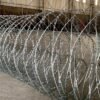
- Security: palisade, clear view or Wholeview fencing, with razor wire on top.
Posts and spacing
Every corner, gate, end and sharp change of direction needs a strainer post braced with stays. On long straight runs add a strainer every 200 to 300 m. Line posts or Y-standards go between them, usually 3 to 5 m apart, closer on uneven ground and for netting.
Working out quantities
Wire: fence length times the number of strands, plus about 10 percent for strainers, ties and waste. A 1 km fence with 5 strands needs about 5.5 km of wire.
Line posts: fence length divided by the spacing. 1 km at 4 m spacing is about 250 posts.
Strainers and stays: count corners, gates and ends, then add one per 250 m of straight line.
Galvanising matters
Choose galvanised wire, mesh and posts. Heavier galvanising lasts longer, especially at the coast or where fertiliser and animal urine reach the fence.
Not sure what fits your farm, home or site? Send us your question and we will help you choose.